Description
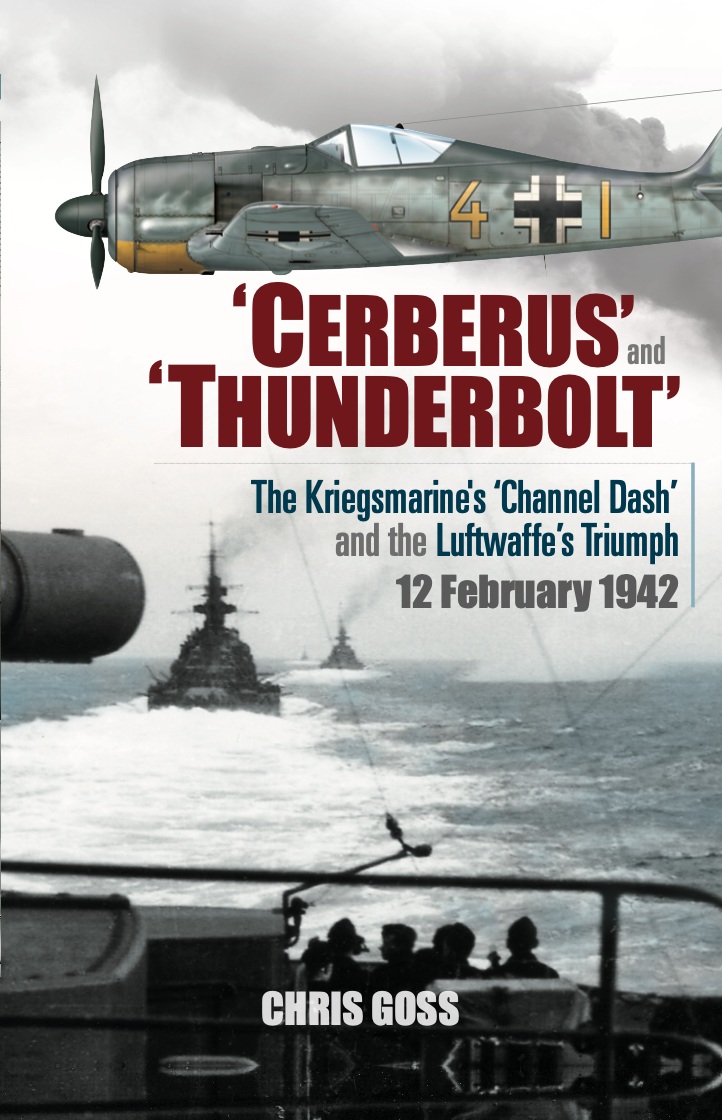
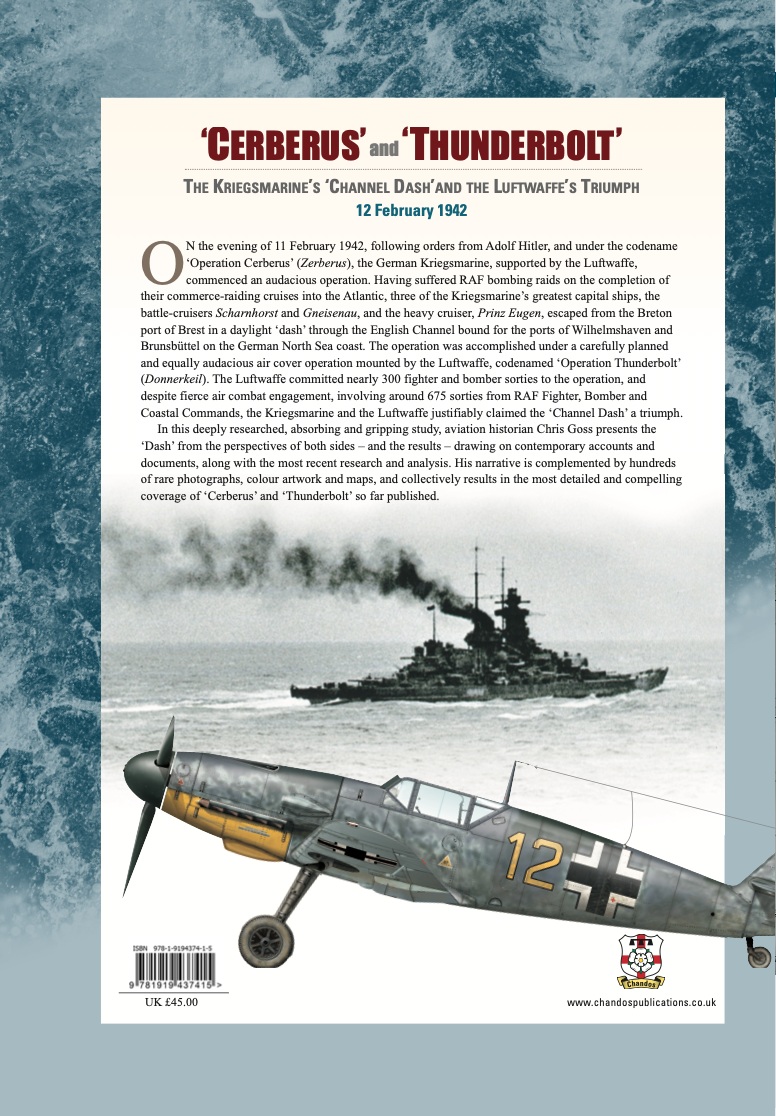
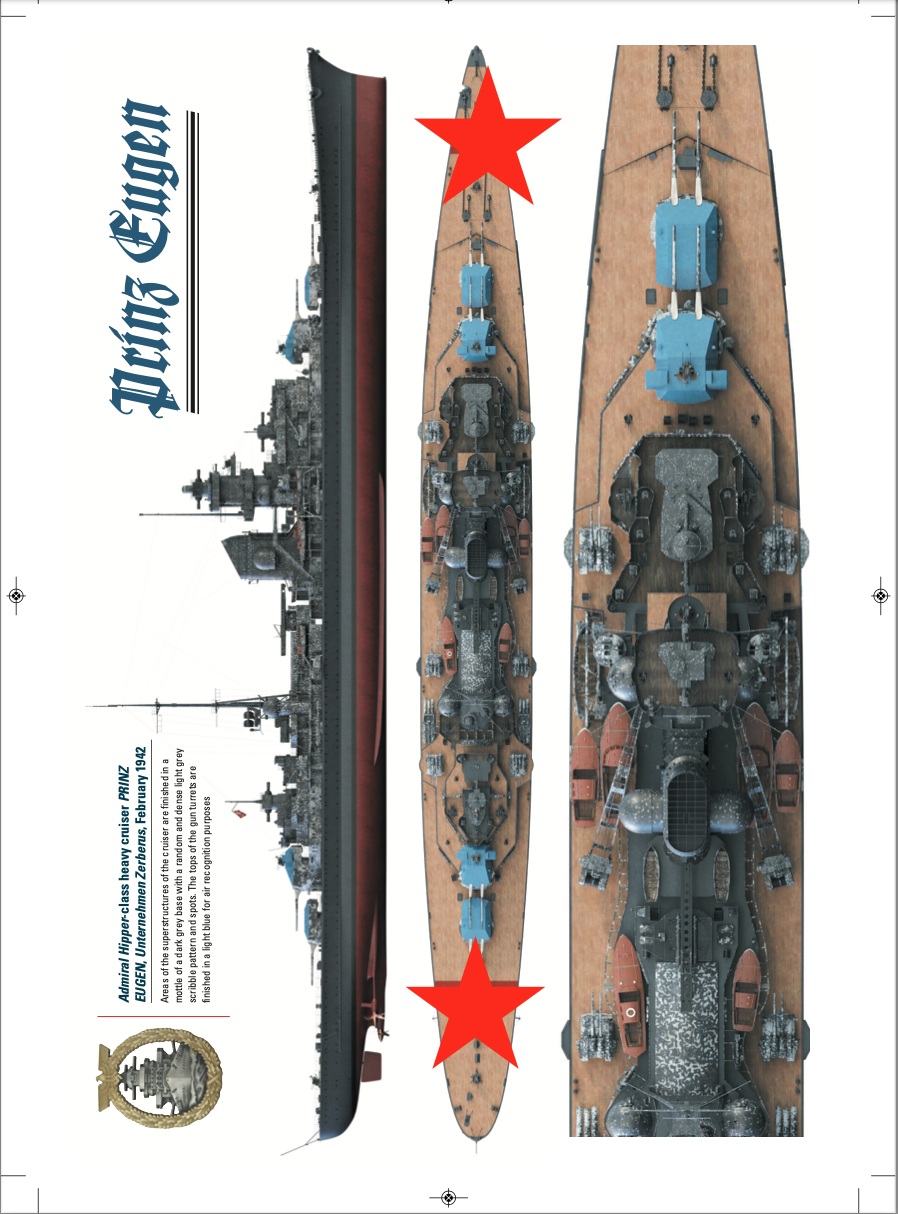
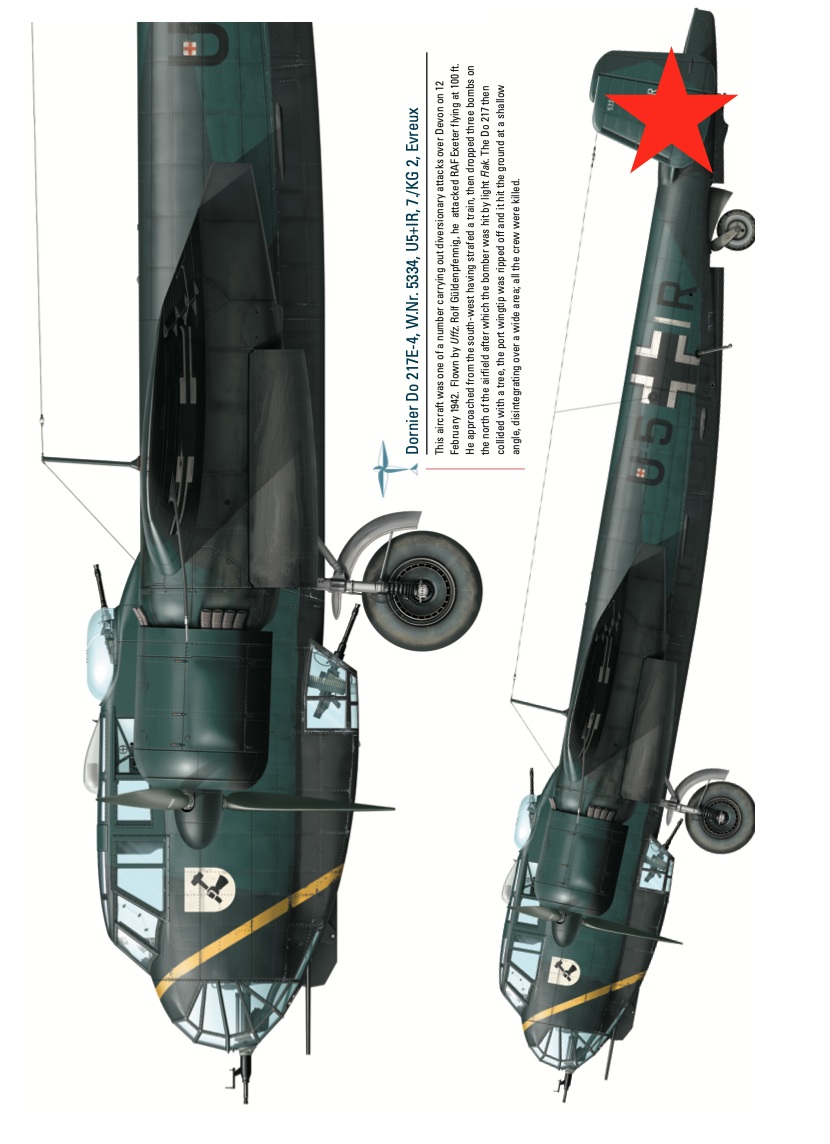
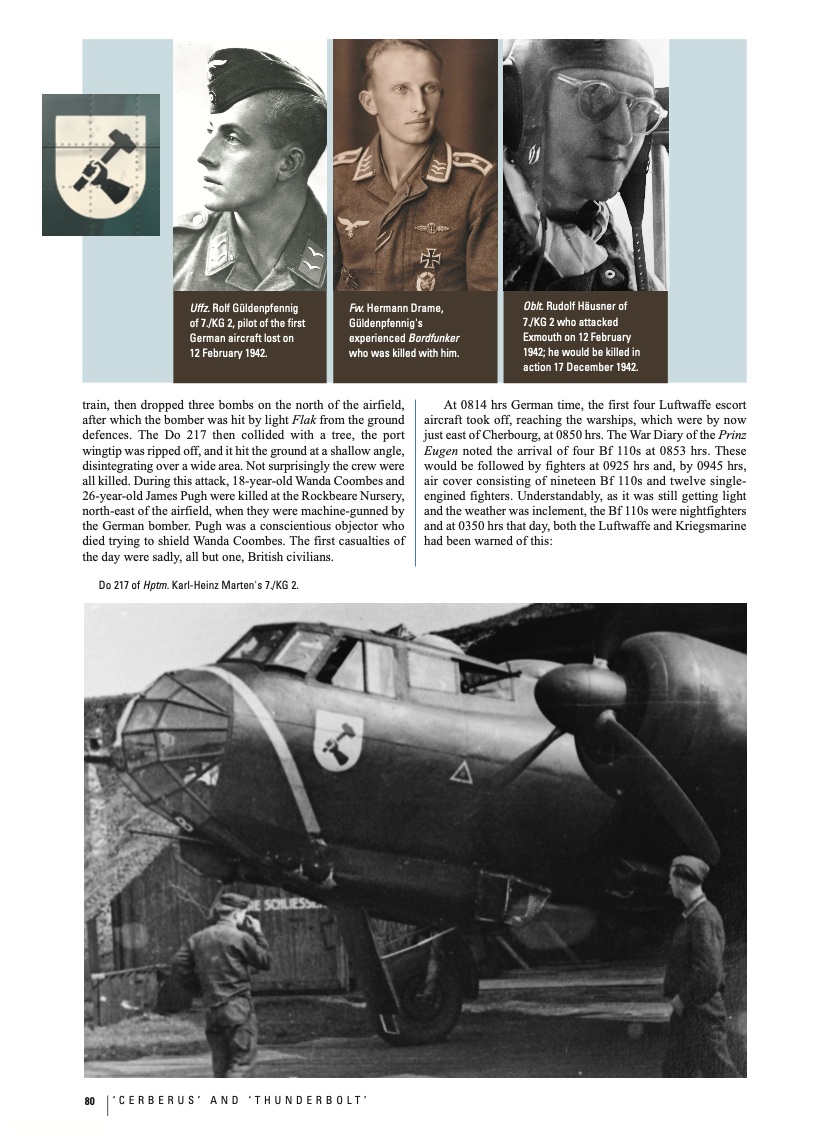
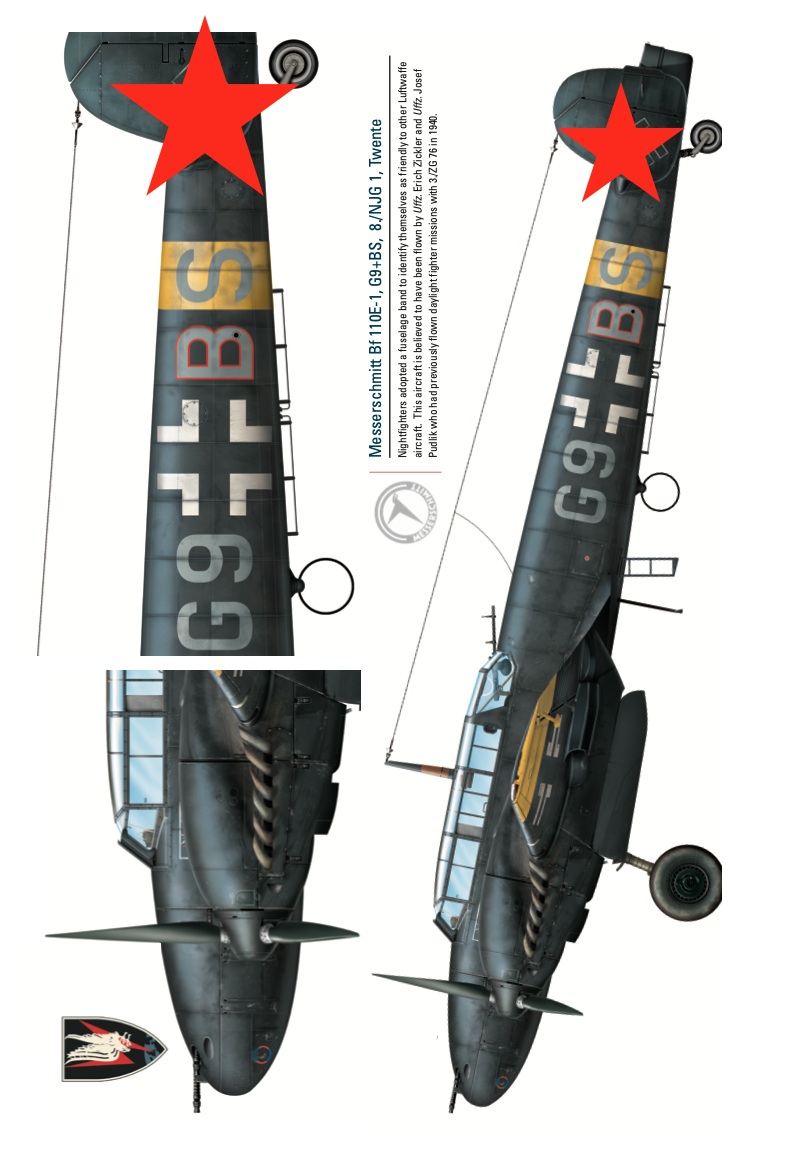
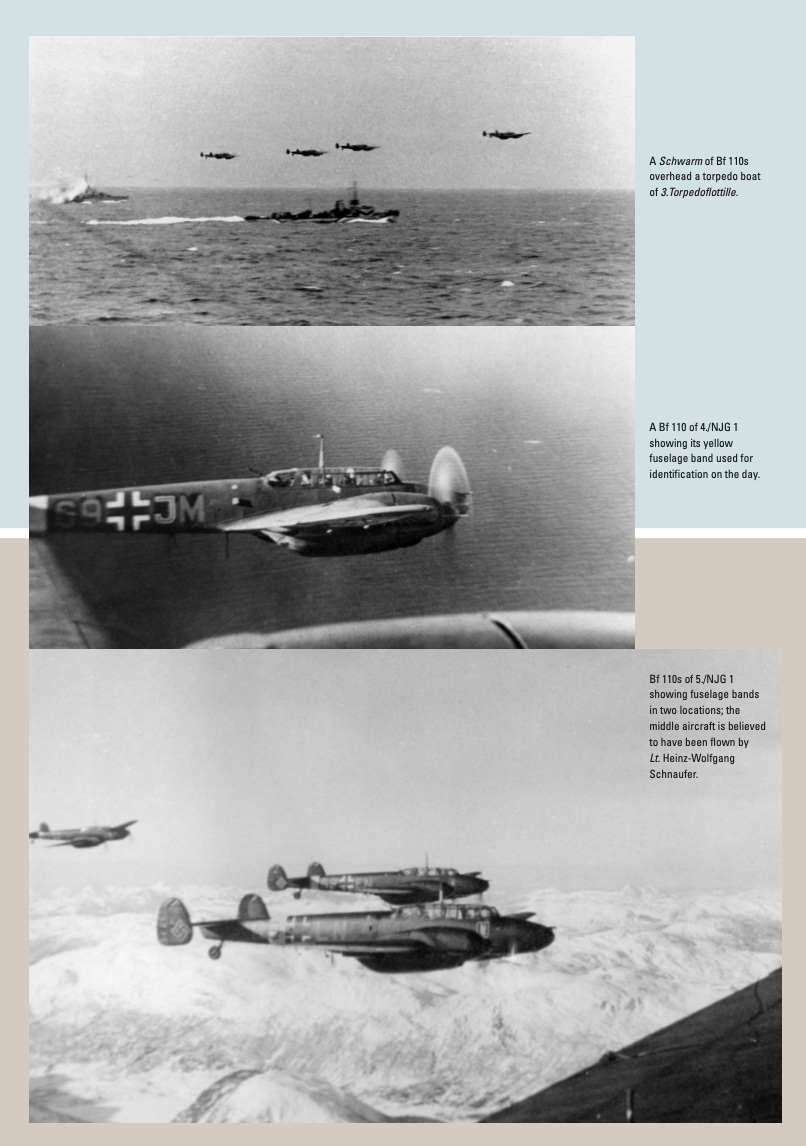
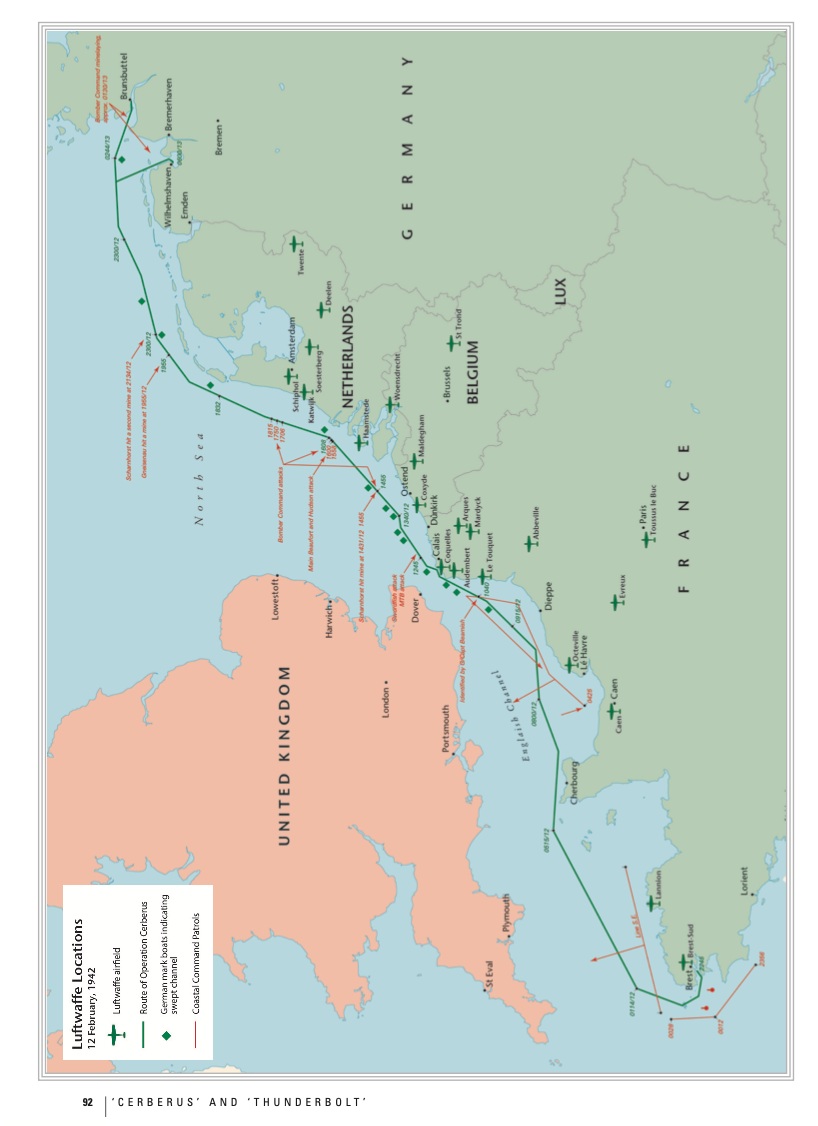
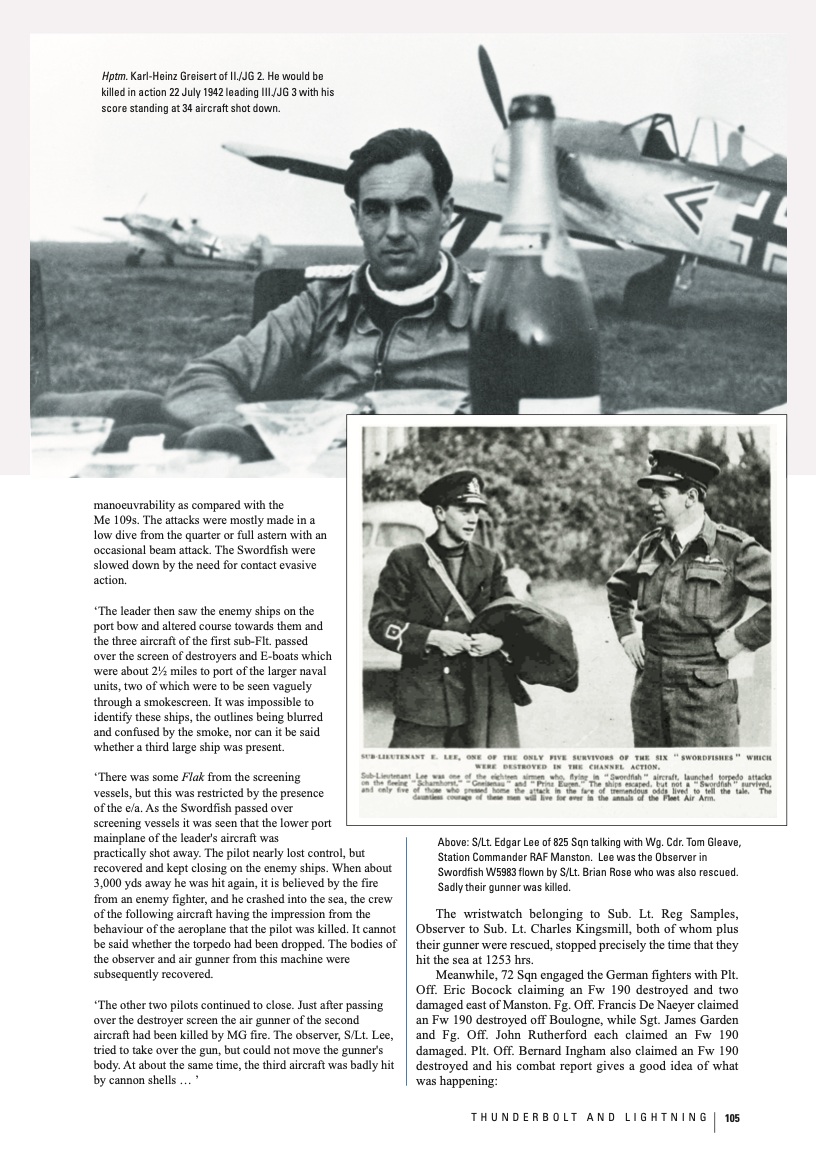
On the evening of 11 February 1942, following orders from Adolf Hitler, and under the codename ‘Operation Cerberus’ (Zerberus), the German Kriegsmarine, supported by the Luftwaffe, commenced an audacious operation. Having suffered RAF bombing raids on the completion of their commerce-raiding cruises into the Atlantic, three of the Kriegsmarine’s greatest capital ships, the battle-cruisers Scharnhorst and Gneisenau, and the heavy cruiser, Prinz Eugen, escaped from the Breton port of Brest in a daylight ‘dash’ through the English Channel bound for the ports of Wilhelmshaven and Brunsbuttel on the German North Sea coast. The operation was accomplished under a carefully planned and equally audacious air cover operation mounted by the Luftwaffe, codenamed ‘Operation Thunderbolt’ (Donnerkeil). The Luftwaffe committed nearly 300 fighter and bomber sorties to the operation, and despite fierce air combat engagement, involving around 675 sorties from RAF Fighter, Bomber and Coastal Commands, the Kriegsmarine and the Luftwaffe justifiably claimed the ‘Channel Dash’ a triumph.
In this deeply researched, absorbing and gripping study, aviation historian Chris Goss presents the ‘Dash’ from the perspectives of both sides – and the results – drawing on contemporary accounts and documents, along with the most recent research and analysis. His narrative is complemented by hundreds of rare photographs, colour artwork and maps, and collectively results in the most detailed and compelling coverage of ‘Cerberus’ and Thunderbolt’ so far published.